Cracking the Code on Craft Beer Labels
A practical guide to decoding ABV, IBU, style names, and freshness dates on craft beer labels before you buy.
Standing in front of a cooler with forty unfamiliar bottles is where most people give up and grab whatever has the coolest artwork. That's a mistake, because craft beer labels actually pack in enough real information to predict whether you'll like what's inside — if you know where to look.
What the Front Label Actually Tells You
The front label is mostly branding, but three details matter: the style name, the brewery location, and sometimes a tasting note in small type. A can that says "West Coast IPA" from a brewery in San Diego is telling you to expect bitterness and citrus, not the softer, hazy profile you'd get from a New England-style version.
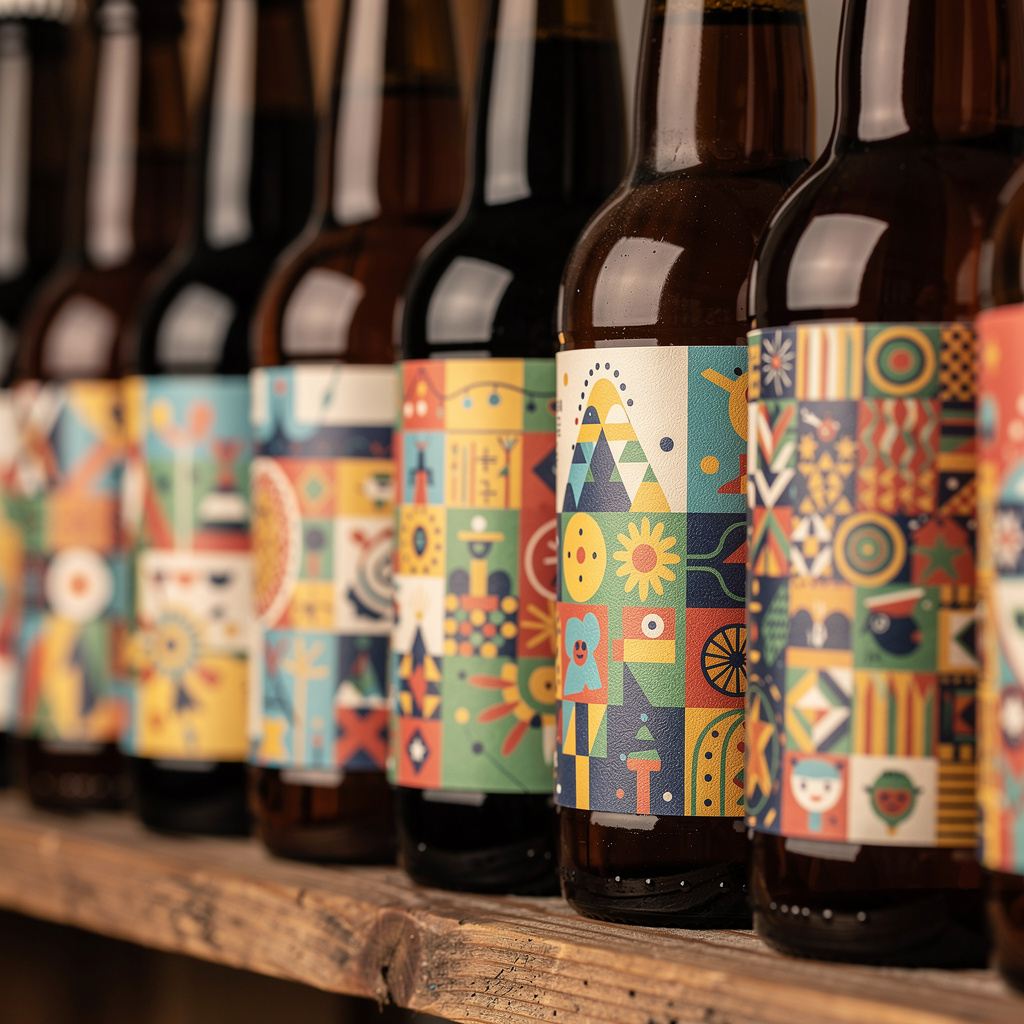
Ignore the illustration completely. A skull on the label says nothing about strength, and a cartoon animal doesn't mean the beer is light or sessionable. Breweries pick art for shelf appeal, not accuracy.
Decoding ABV and IBU Numbers
ABV, or alcohol by volume, is the most reliable number on the label. Sessionable beers sit between 3.5% and 4.5%, standard ales and lagers run 5% to 6%, and imperial styles or barrel-aged beers can climb past 9%. A 10% stout drinks more like wine than beer, so pace accordingly.
IBU measures bitterness, not strength, on a rough scale from 5 to over 100. A pilsner around 25 IBU tastes clean and mild, while a double IPA at 80 IBU will hit with resin and pine. Some hazy IPAs list high IBU numbers but taste less bitter because the hop oils get balanced by wheat and oats — the number is a starting clue, not a guarantee.
Style Names That Actually Matter
Skip labels that just say "Ale" or "Lager" with no further detail; that's a brewery being vague on purpose. Look instead for specific style names: saison, dunkel, brown ale, gose. Each one comes with real expectations built from decades of brewing tradition.
A gose, for example, is a German wheat beer brewed with salt and coriander, usually tart and around 4% ABV. A dunkel is a dark German lager, malty rather than hoppy, typically 5%. Knowing five or six style names covers most of what you'll see on a normal shelf.
Freshness Dates and Why They Matter
Hoppy beers fade fast. IPAs and pale ales lose their aroma within 90 to 120 days of packaging, even if the bottle still looks fine. Look for a "packaged on" or "born on" date printed near the cap or on the bottom of the can — if it's missing entirely, that's often a sign the brewery doesn't want you checking.
Darker, higher-ABV styles like stouts, barleywines, and barrel-aged beers age differently and can improve for a year or more. A 2023 date on an imperial stout isn't a red flag the way it would be on a fresh-hopped pale ale from the same year.
Marketing Words Worth Ignoring
Terms like "crushable," "juicy," or "small batch" describe nothing measurable. "Small batch" can mean 30 barrels or 3,000, depending on the brewery's size, so it tells you about marketing strategy, not quality.
"Unfiltered" is one of the few marketing words with real meaning — it usually signals a hazier appearance and a slightly fuller mouthfeel, common in wheat beers and some IPAs. Beyond that, treat adjectives on the front label as flavor text, not facts.
Once you know to check ABV, style name, and packaging date, reading a beer aisle takes about ten extra seconds per bottle — and it beats picking blind based on artwork every time.