How Diners Actually Find New Restaurants and Bars Today
A look at how diners discover restaurants and drink spots online, and what keeps a good kitchen invisible on search.
A great burger or a perfectly poured stout only matters if someone walks through the door to try it. Most of that walking now starts on a phone, not on a sidewalk, and the gap between a hungry search and a filled seat is where a lot of good kitchens quietly lose business.
Word of Mouth Still Wins the First Visit
Ask any regular why they first tried a place, and the answer is usually a friend, a coworker, or a neighbor who wouldn't stop talking about the fried chicken sandwich. That kind of recommendation still carries more weight than any ad.
But word of mouth has a ceiling. A recommendation from one friend reaches maybe a dozen people over a few months, while a search result reaches anyone typing "best tacos near me" at 7 p.m. on a Tuesday.
Maps, Reviews, and the Three-Second Decision
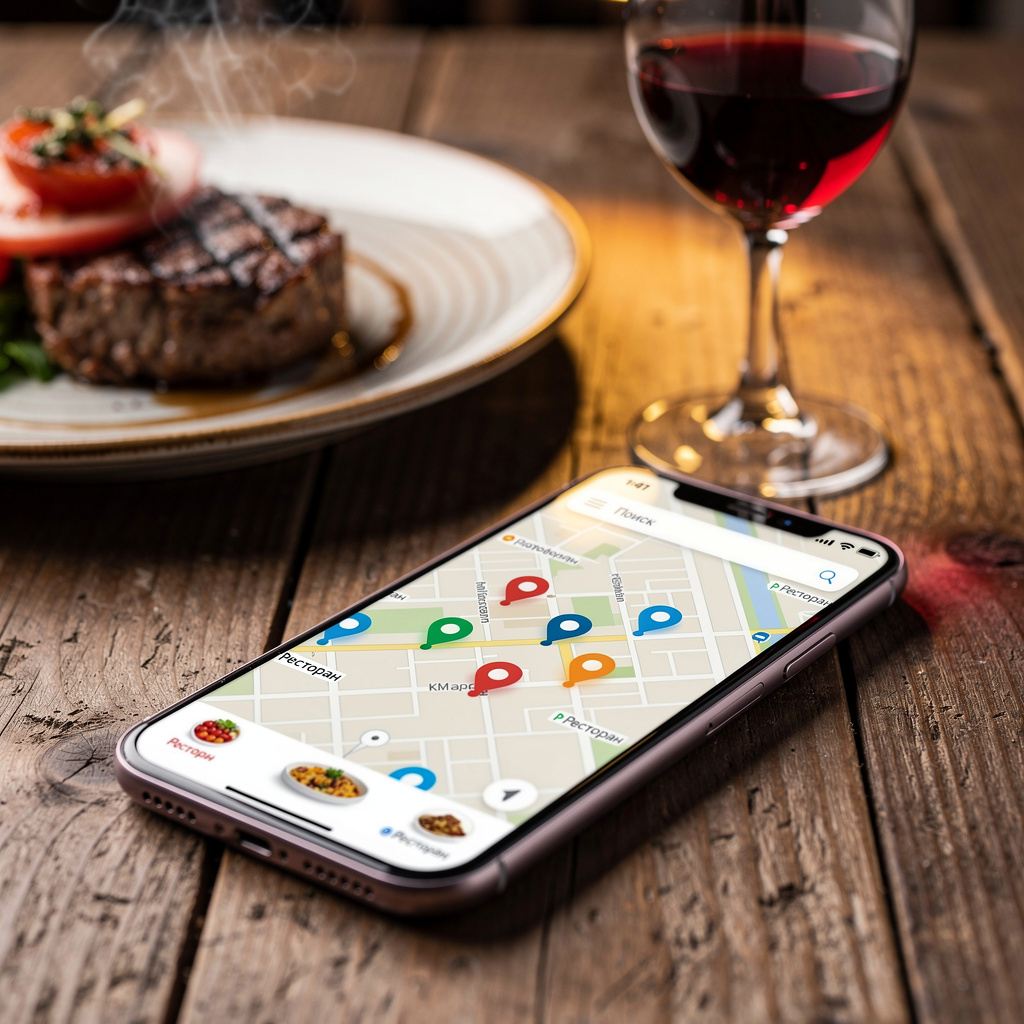
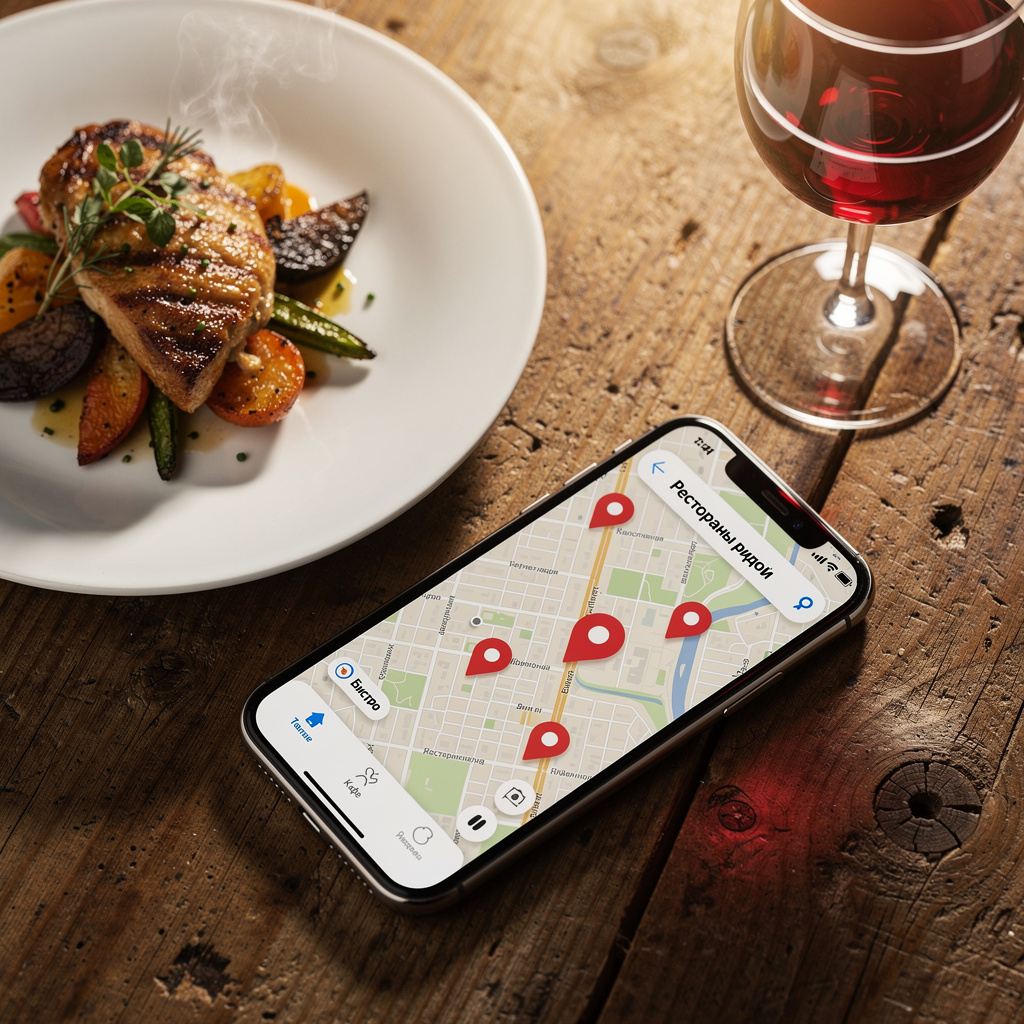
Most diners now open a map app, glance at the star rating, skim two or three reviews, and decide within seconds. A 4.6 with fifty reviews usually beats a 4.9 with three, because volume signals that the place is consistently good, not just lucky once.
Photos matter almost as much as the rating itself. A blurry, dark photo of a plate can undo weeks of five-star reviews, because people eat with their eyes before they eat with anything else.
Delivery apps compress this decision even further. Customers scroll a grid of thumbnails and make a choice in under ten seconds, which means the restaurants with sharp photography and fast-loading menus win the click before taste ever enters the equation.
What Kitchens Get Wrong About Their Online Presence
Owners often assume that once the food is good, the internet will sort itself out. It doesn't. A restaurant's website might load slowly, its Google listing might list the wrong hours, or its menu page might be a scanned PDF that nobody can read on a phone.
These small technical gaps push a restaurant lower in local search results, even if the food is excellent. Search engines reward pages that load fast, list accurate information, and get mentioned or linked from other trustworthy sites.
A place with three hundred loyal regulars but a broken website will lose to a mediocre spot with a clean online presence, simply because new customers can't find the good one first.
Where Outside Links Fit Into a Restaurant's Growth
Beyond the website itself, search engines pay attention to how many other sites talk about a business and link back to it. A mention from a local food blog, a listing on a city guide, or a feature in a regional magazine all count as small votes of trust.
Restaurants that grow a following often end up working with marketing teams who understand this side of visibility, sometimes choosing to buy seo links as part of a broader push to rank higher for searches like "best brunch spot downtown." It's the same logic as building relationships with local reviewers, just done at a bigger scale and on a faster timeline.
The risk is doing it carelessly. Low-quality links from unrelated sites can do more harm than good, so the restaurants that benefit most tend to pair this kind of work with genuinely good photography, accurate listings, and a menu that actually reflects what's coming out of the kitchen.
Menus That Photograph Well Convert Better
A menu built around dishes that look striking on camera has an advantage that has nothing to do with taste. A glowing bowl of ramen with steam rising photographs better than a beige casserole, even if the casserole wins every blind taste test.
Chefs who understand this now design a handful of "hero dishes" specifically for how they'll appear in a review photo or a delivery app thumbnail. It's not dishonest, it's just acknowledging that the first bite most customers take is with their eyes.
A drink program benefits from the same thinking. A cocktail with a visible garnish, a color that pops, or a smoking element gets photographed and shared far more often than a technically superior drink that looks plain in a glass.
None of this replaces good cooking. But in a city with dozens of options within a five-minute drive, the restaurants that get discovered are usually the ones that made themselves easy to find, easy to trust, and easy to photograph before anyone ever tasted a single bite.